Stop Waiting on Your Carbon Fiber to Cure
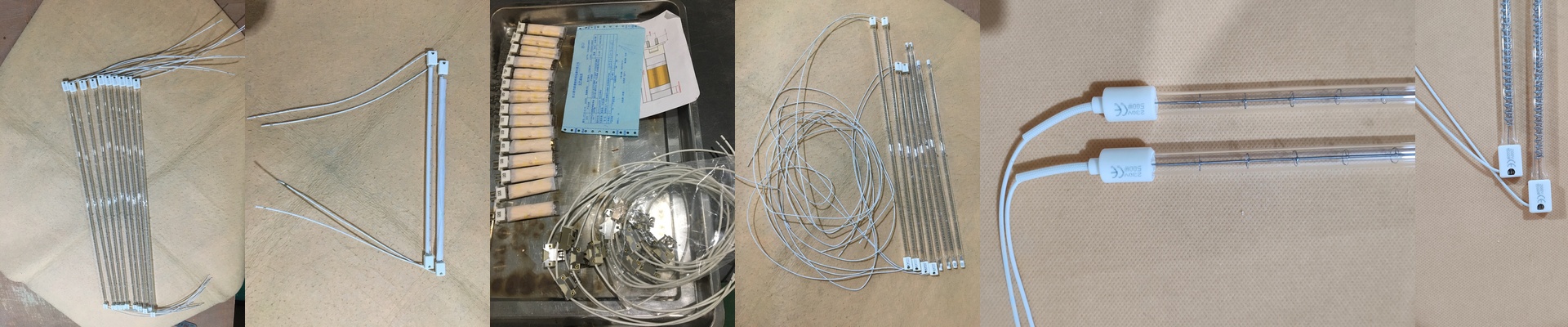
If you’ve ever worked with carbon fiber reinforced polymers, you know the drill. Getting the heat exactly right is a nightmare. We build custom infrared (IR) lamps for people who need high-end composite fabrics to be light, strong, and—most importantly—finished faster.
Why shortwave IR actually works
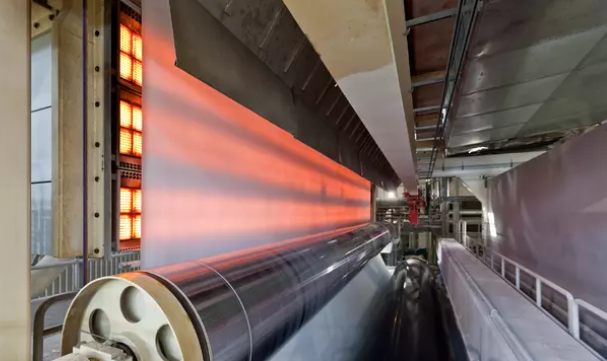
Here’s the thing: carbon fiber doesn’t play by the same rules as regular plastic. It’s conductive, which means it handles heat differently. If you aren’t careful, you get the “skin effect.” That’s when the surface of your part burns while the core is still cold. Not great. We use shortwave IR emitters to push energy deep into the resin matrix. We tune the wavelength so the heat hits the center of the laminate, not just the top layer. It turns a process that usually takes hours in an autoclave into something that takes minutes under a lamp.It’s fast. Really fast.
Built for your specific setup
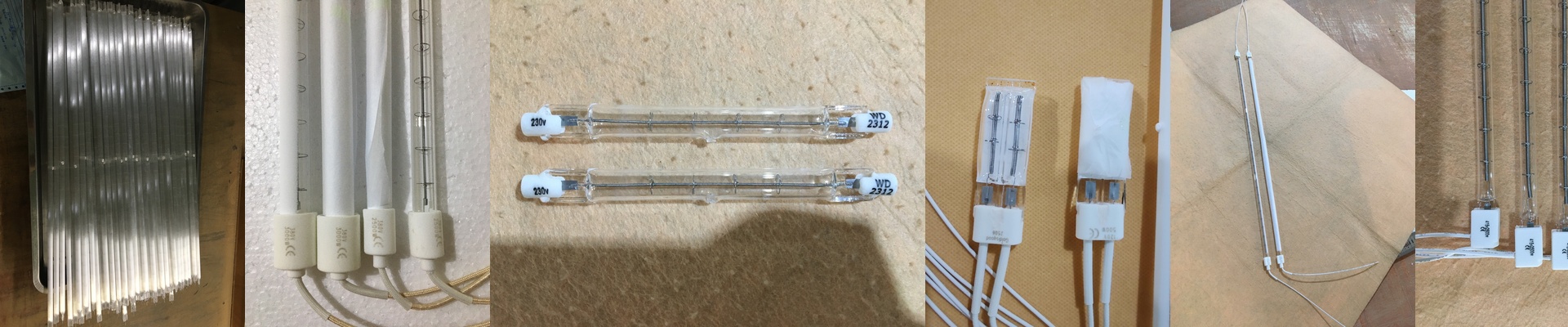
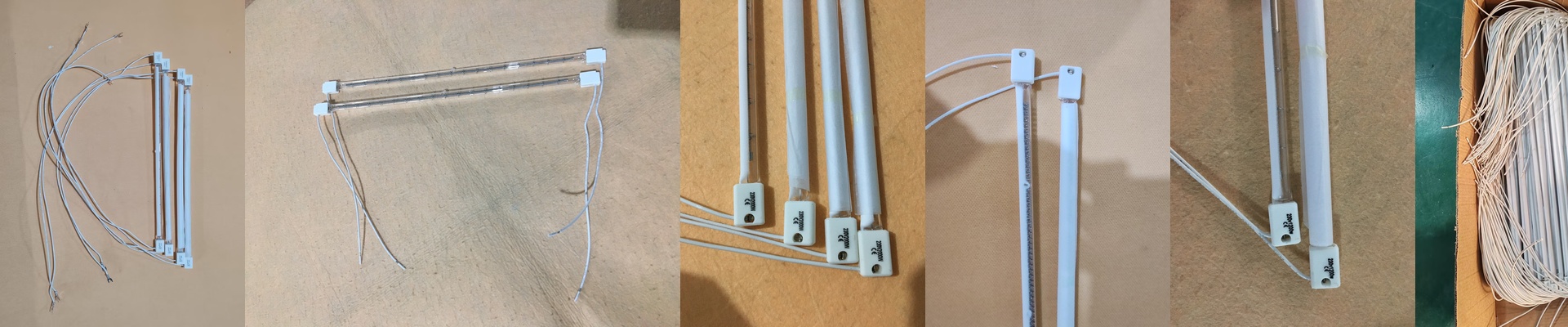
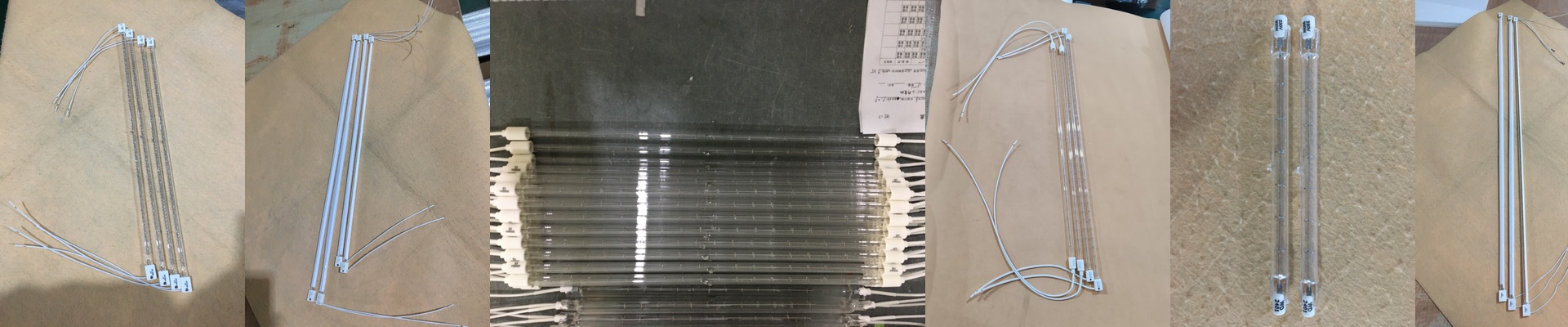
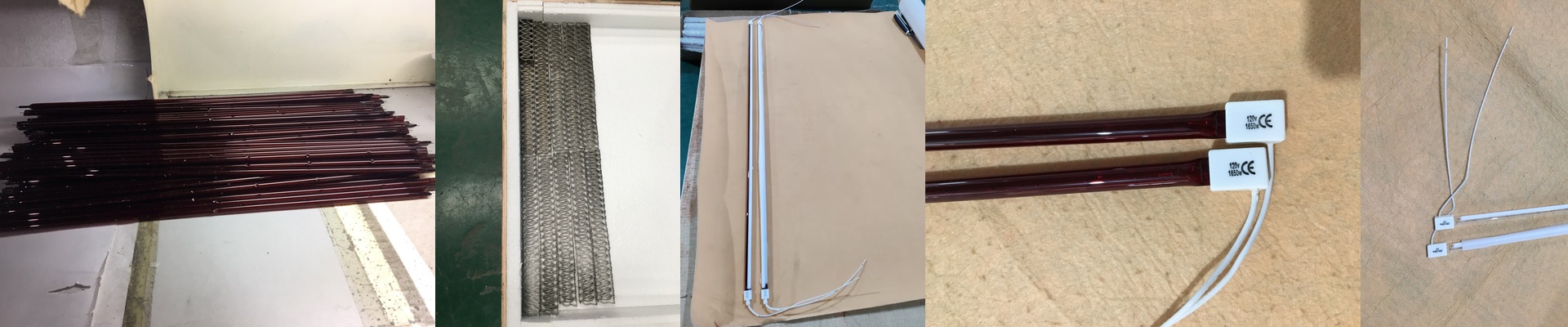
We aren’t into “one-size-fits-all” catalogs. That rarely works in the real world. Instead, you tell us your footprint and how much power you’ve got, and we build the tube to fit. Need a ton of wattage packed into a tiny space for small parts? We can do that. Need long emitters for massive aerospace panels? Easy. We’ll tweak the voltage and length to match your grid. We use high-purity quartz glass because it can take a beating from thermal shock. Plus, most of our lamps have special coatings that bounce the heat forward. You want the energy hitting your fabric, not melting your machine frame.
Putting it all together (and the pitfalls)
These lamps are designed to slide right into your existing curing lines. We offer a handful of connector options so you aren’t fighting with the wiring for three days. But a heads-up: high-density IR puts out a lot of heat. Like, a lot. If you’re running these at full blast, don’t skimp on your cooling fans or water jackets. If you don’t vent the area, you’re going to fry your sensors or warp your jigs. To keep things safe, we suggest using a closed-loop PID controller. It keeps the temperature steady so you don’t accidentally overshoot and ruin a part.