We Spent Ten Years in the Shadows. Here’s What We Learned.
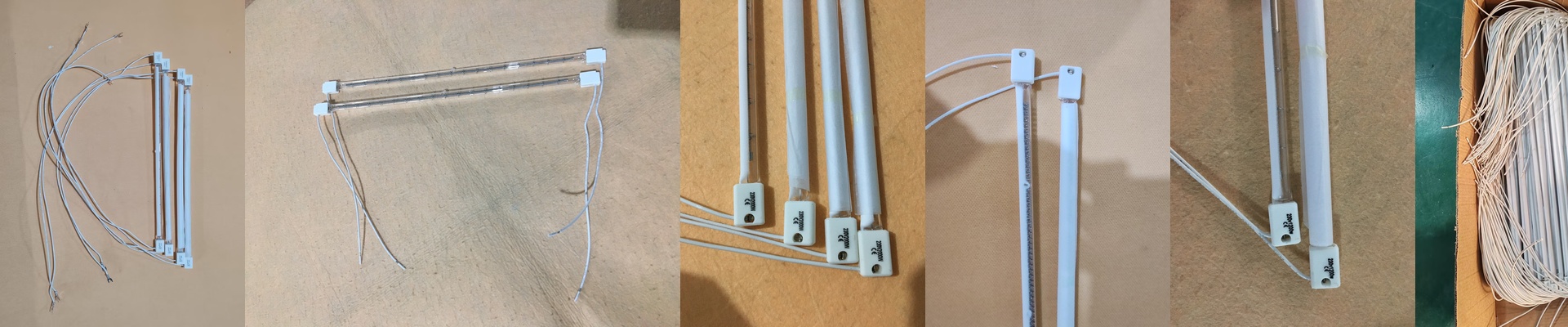
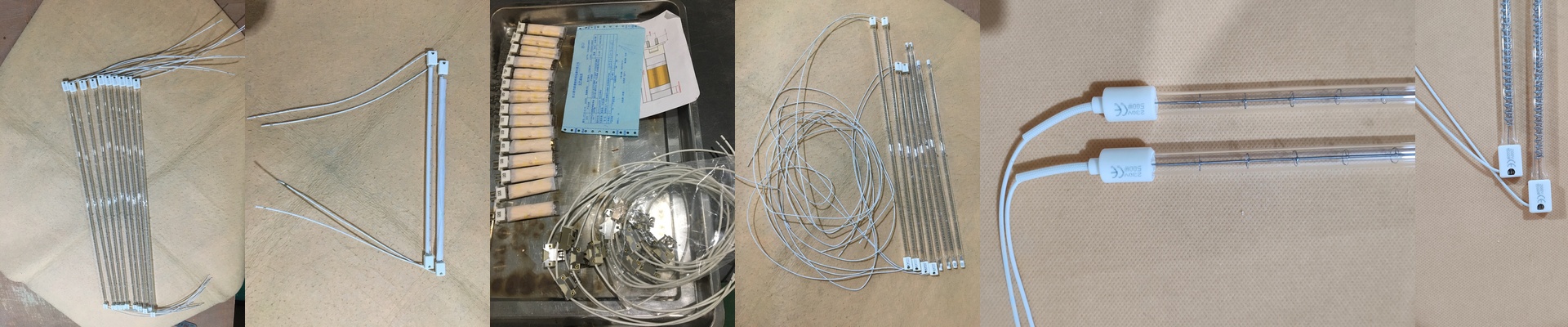
For a decade, we were the “secret” team. We worked as an OEM, building lamps for the big international brands you’ve probably heard of. It was a grind, but it taught us something important. There’s a massive difference between a generic tube you buy off a shelf and a professional-grade infrared lamp. It isn’t about the branding or the fancy brochure. It’s about the actual metal and how you handle the heat.
Getting the Heat Right
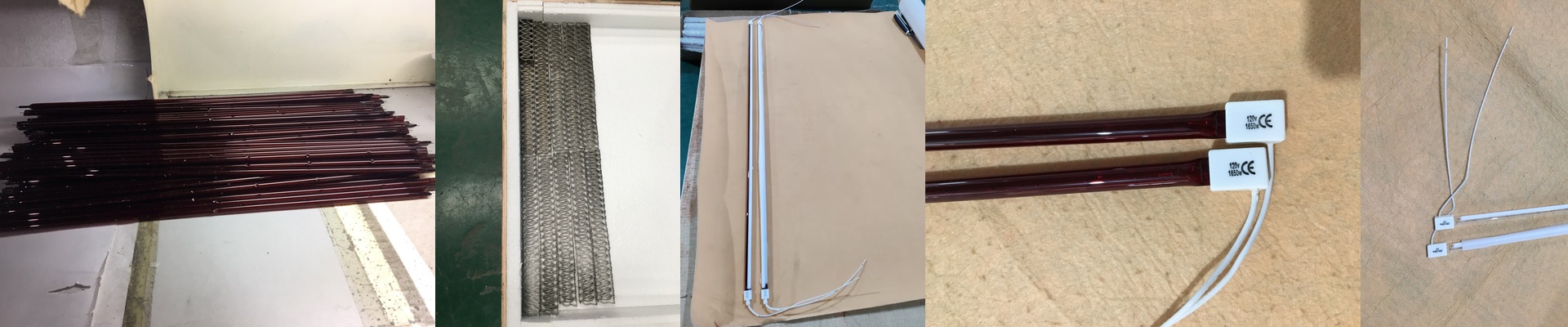
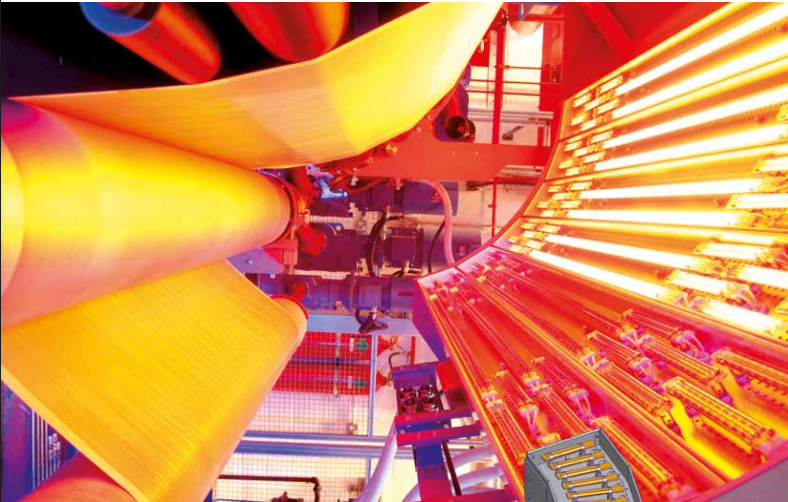
If you’re drying or curing textiles, you know that heat distribution is where things usually go sideways. We spend a lot of time obsessing over how wattage, voltage, and tube length play together. The goal is simple: make sure the heat hits the fabric exactly right for the speed your conveyor is moving. If you go with a high-voltage setup, you get a much faster ramp-up time. It’s powerful. But here’s the catch—that power puts a lot of stress on your sockets. If your wiring isn’t up to the task, you’ll start seeing carbonization at the contact points. Not a great look, and definitely not a great way to run a floor.
The Nitty-Gritty on Quartz and Coatings
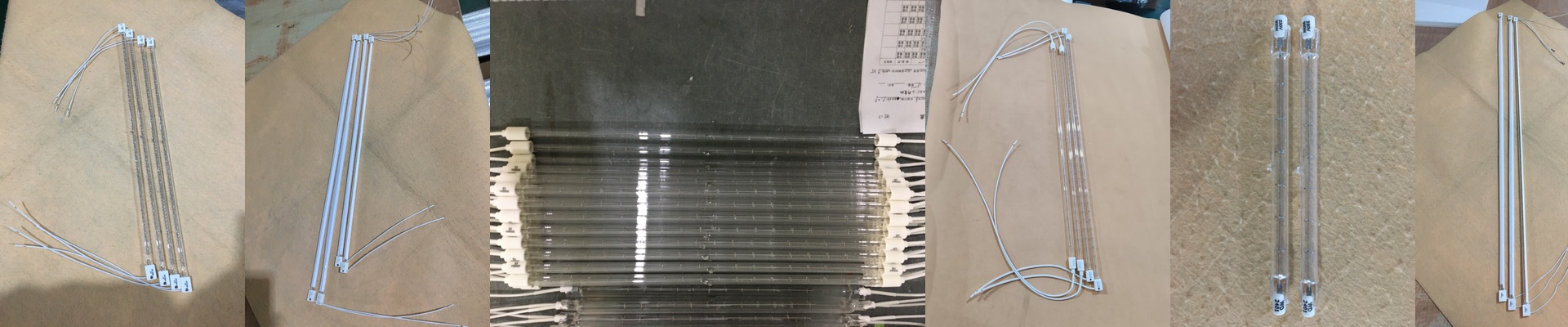
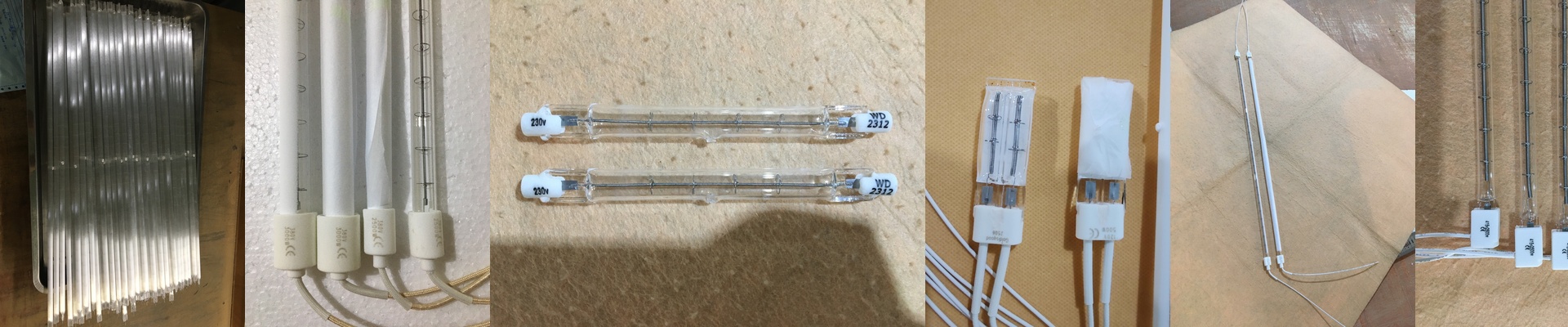
We use high-purity quartz glass because, frankly, we’re tired of seeing lamps burn out too early. Depending on what you’re working with, you’ll want either clear or coated tubes. Short-wave lamps hit the surface fast. Medium-wave goes deeper into the fabric. We’ve spent years tweaking our coating process so the layer actually stays put and doesn’t flake off when the temperature jumps around. As for the connectors? We stick with R7s and SK15. They’re the industry standard. We do this so your techs can just swap a lamp out and get back to work without having to rebuild the entire rack. Simple is better.
Real Talk: The Shop Floor
Let’s be honest. No lamp lasts forever. Even the best quartz will eventually lose its punch. That’s why we design our filaments to fade out slowly and predictably. We want you to know exactly when it’s time for a change, rather than having a lamp pop and kill your entire production line in the middle of a shift. One last tip: keep your reflectors polished. It sounds basic, but a layer of dust can kill the efficiency of even the most expensive lamp we make. Keep them clean, and the gear will do its job.