Stop Paying the “Middleman Tax” on Your Curing Lamps
Let’s be honest. Most engineers just buy their curing lamps from trading companies because it’s the path of least resistance. But here’s the thing: you’re paying a markup that doesn’t add a single watt of power or a millimeter of precision to the tube. We do things differently. We run our own factory. By shipping direct from our floor to your facility, we cut out the distributor’s cut. That means you get better hardware specs without the inflated price tag.
The Nitty-Gritty of High-Density Curing
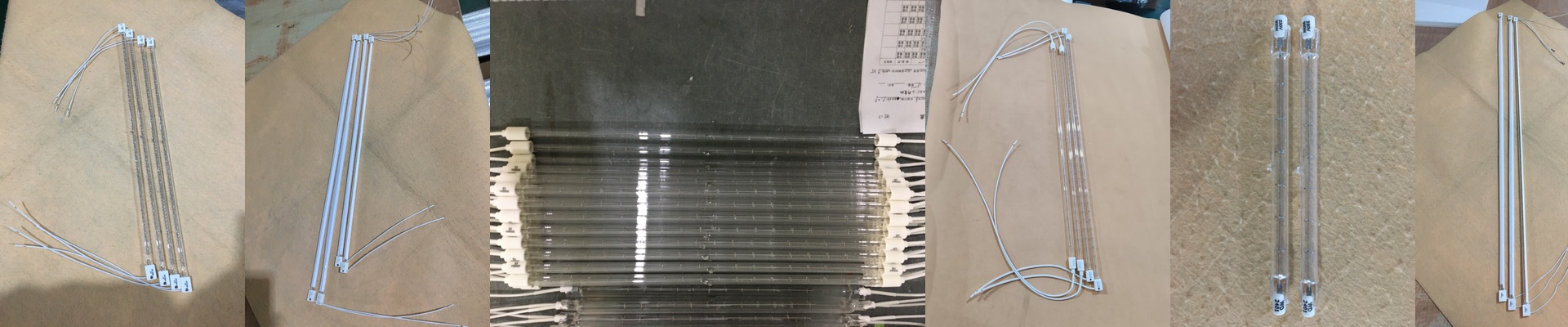
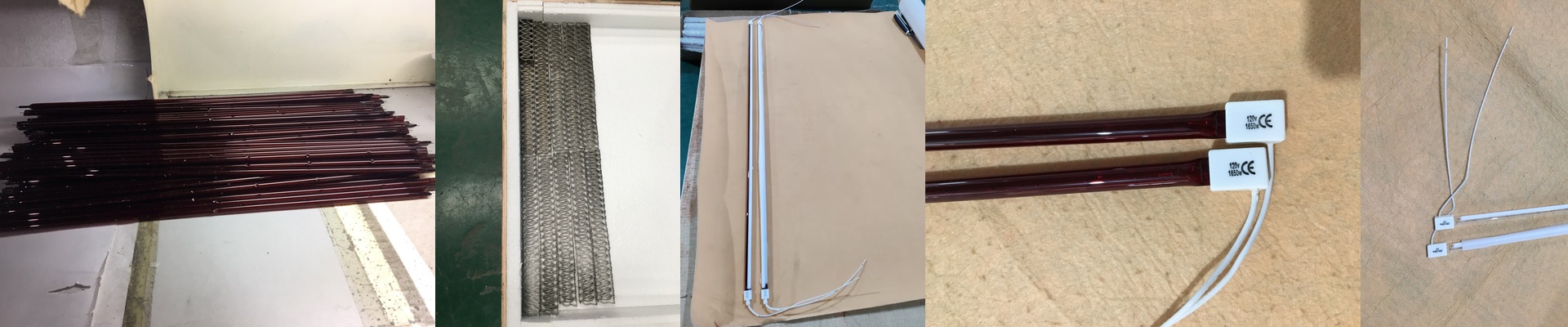
It all comes down to the wattage-to-length ratio. You want to hit those target temperatures without accidentally torching your substrate. When you’re picking a lamp, the voltage and wattage are what drive the heat flux. If you jam a high-wattage tube into a short footprint, you get intense infrared radiation. That’s great for speeding up your line—more throughput, less waiting. But a word of warning: high heat Density is picky.**Keep your reflectors spotless.**If dust builds up on a high-output lamp, you’ll get hotspots. And hotspots are how you crack a quartz envelope. Not a fun way to spend a Tuesday.
Why the Small Stuff Matters
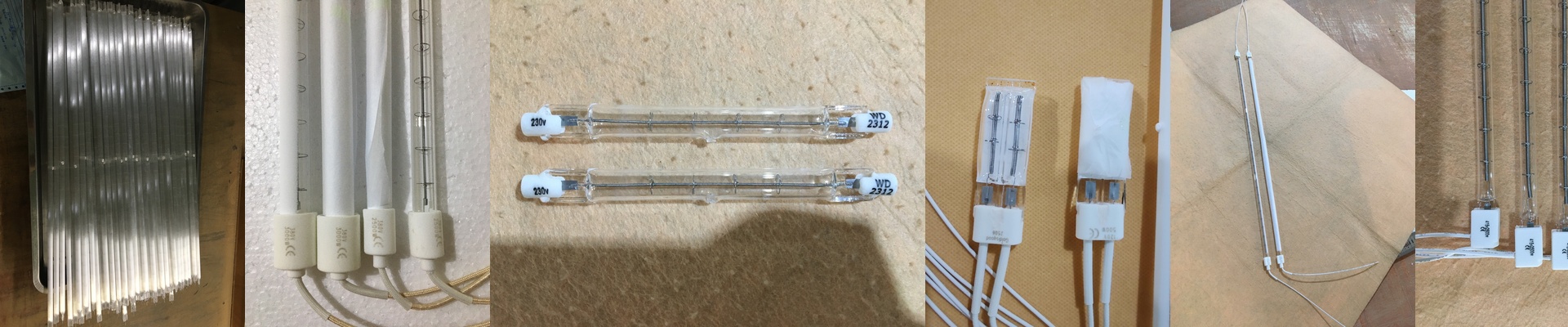
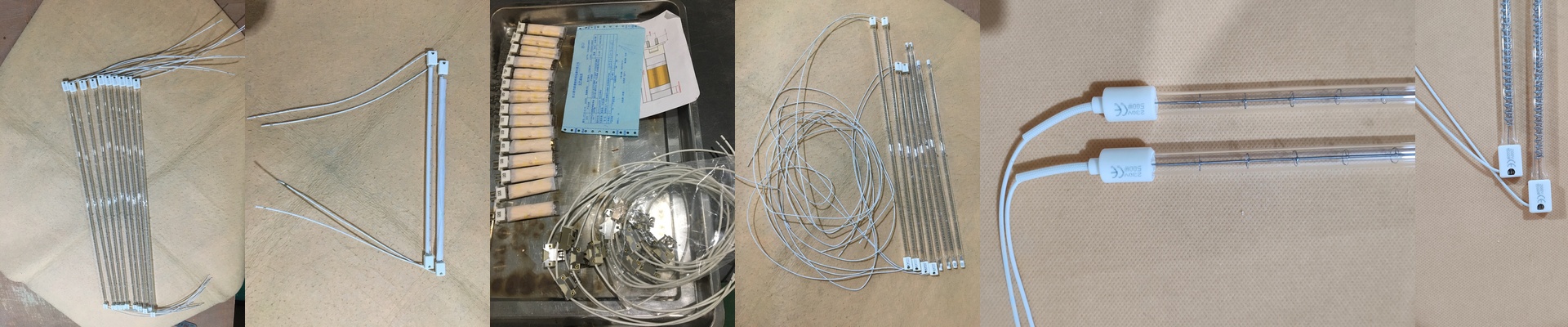
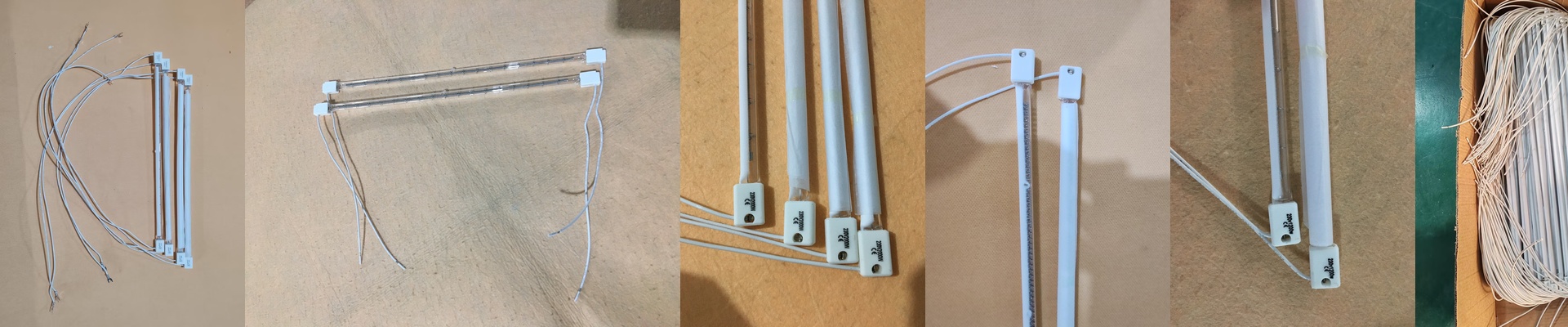
We use high-purity quartz because it doesn’t warp when things get scorching. Then there are the connectors—R7s, SK15, whatever you’re running. The fit has to be tight. Period. A loose connection creates electrical resistance, and resistance creates heat right at the terminal. Before you know it, you’ve melted your socket. We machine our ends to tight tolerances. They just drop in. No fighting with the hardware, and definitely no need to rewire your entire rack just to get a replacement working.
Putting Them to Work
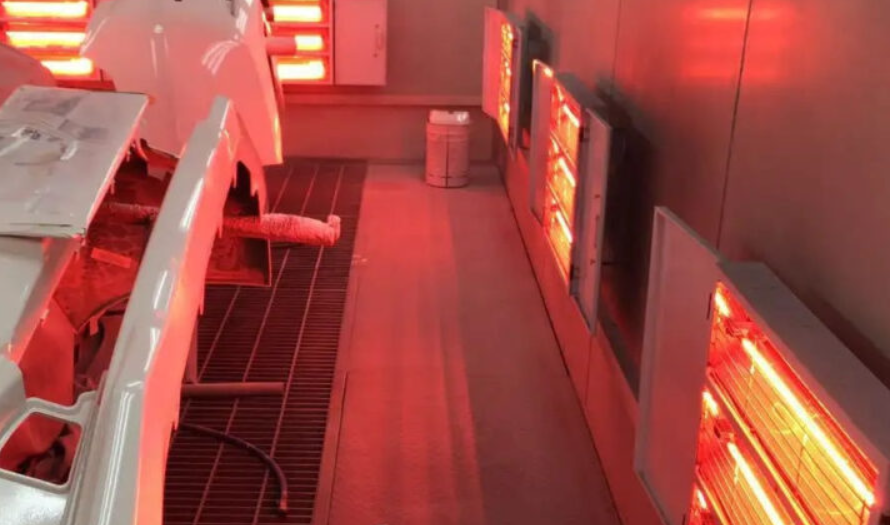
These lamps are absolute workhorses. Whether you’re doing PET blowing or powder coating, they’re going to take a beating in dusty, hot environments. We build them to handle the erratic cycling of industrial power grids without flinching. If you’re running these at a 100% duty cycle, just make sure your cooling fans can handle the ambient heat rise. At the end of the day, sourcing direct isn’t just about saving a few bucks. It’s about getting a lamp that actually matches the electrical load of your machine. Simple as that.