Why bother with imported IR lamps?
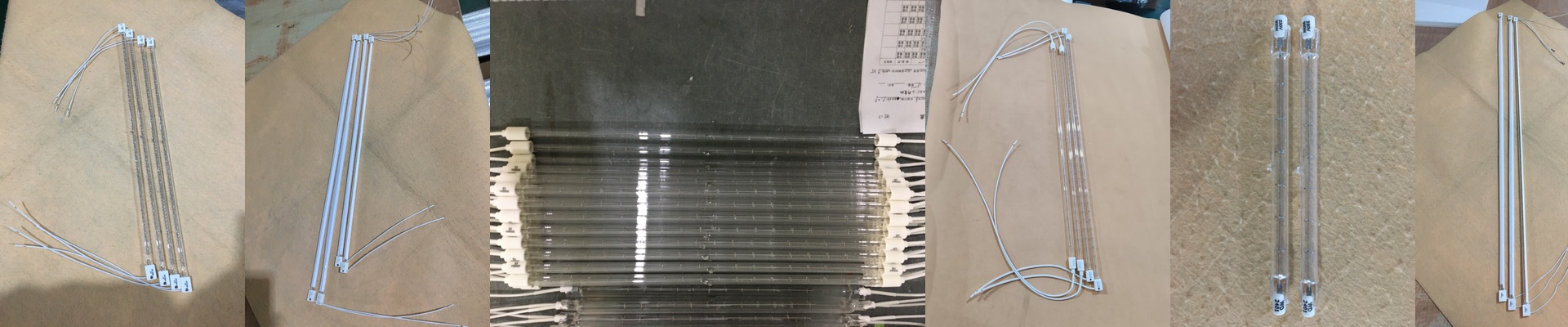
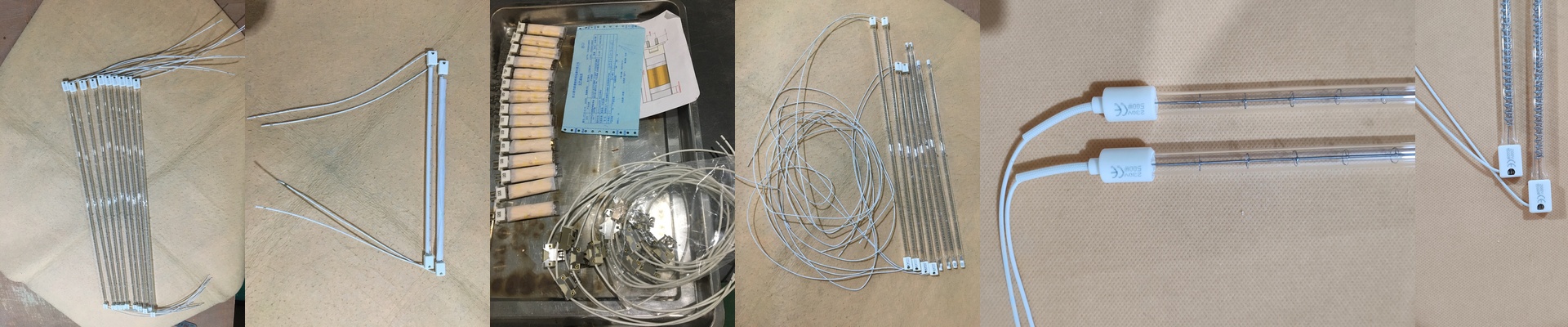
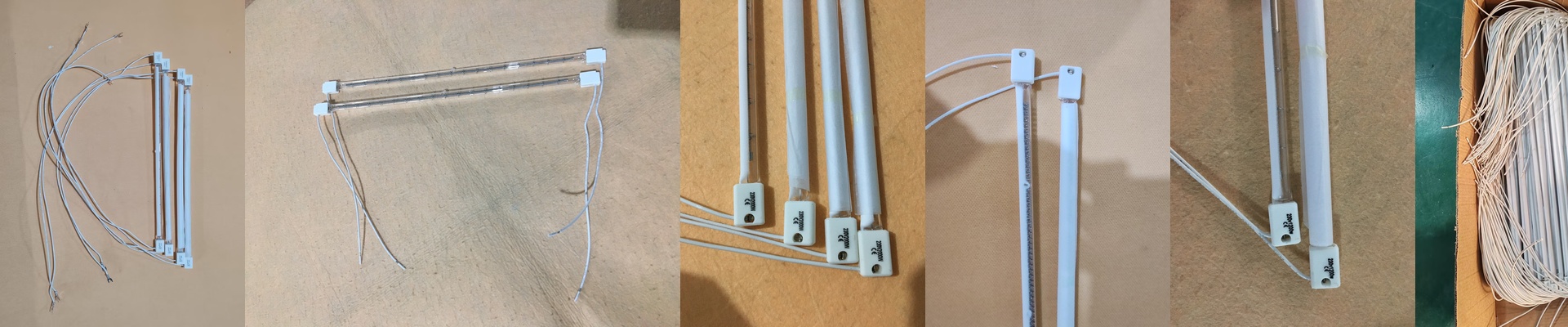
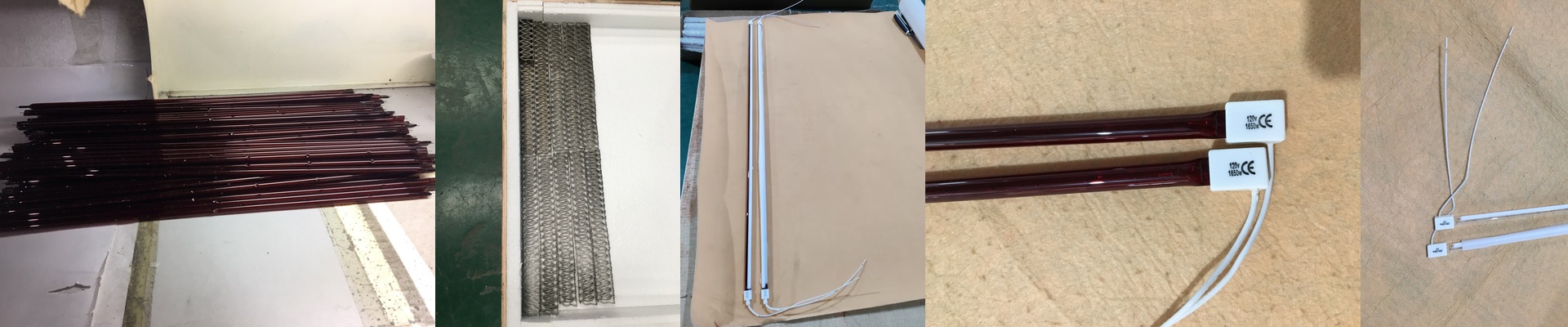
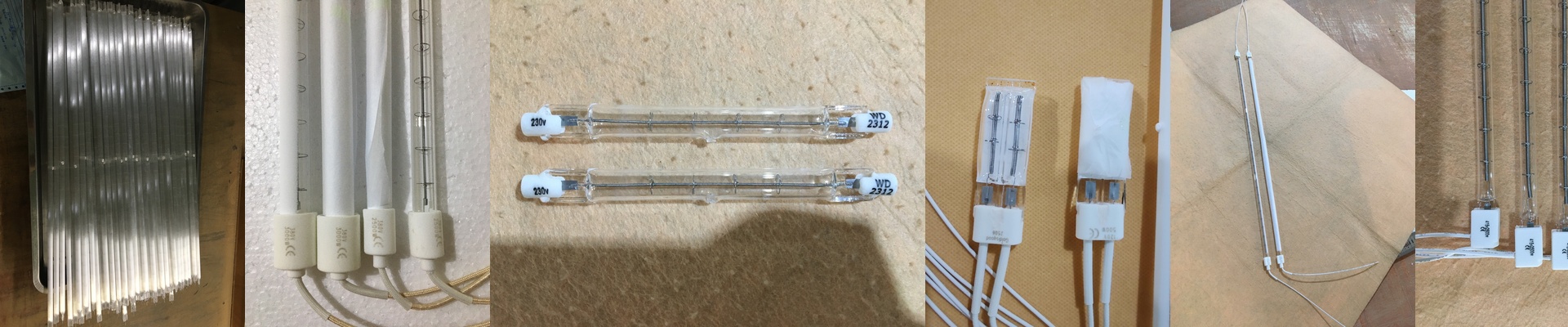
Let’s be honest: relying on imported infrared lamps is a headache. You’re staring at massive replacement costs and waiting weeks—sometimes months—for a shipment to arrive while your line is stalled. Switching to domestic high-output tubes usually fixes that. When you scale it across a full curing line, the savings on your annual maintenance can be huge. Like, millions of dollars huge. Getting the heat where it belongs We build these lamps to hit very specific wattage targets. When you push high voltage through that quartz envelope, you get short-wave radiation instantly. The best part? It doesn’t waste time warming up the air. The heat hits your part directly. It’s fast. Really fast. Just a heads-up, though: more power means more stress on your reflectors. If yours are pitted or looking oxidized, you’re basically throwing heat at the oven walls instead of your product. The secret is in the glass The quartz is where the magic happens. We use high-purity silica so the tubes don’t warp when they go from freezing to scorching in a matter of seconds. Depending on what you’re curing, we can add specialized coatings to the glass. This tweaks the emission spectrum to match your specific paint or resin. Instead of the energy bouncing off the surface, it actually sinks into the coating. Swapping them out You don’t need a degree in electrical engineering to install these. Most of our units use standard R7s or Sk15 connectors. They’re designed to be drop-in replacements. No rewiring your control cabinets. No messing with your contactors. You just pull the old tube, slide the new one in, wire it up, and you’re back in business. The catch Here’s the thing: high-output lamps run hot. If your PID controllers aren’t tuned right, you’ll burn through them. If you run these at 100% duty cycle without any pulsing or temperature feedback, you’re just killing the filament. You need a solid control loop to find that sweet spot between cranking out parts and making your lamps last.