Getting the Heat Right in Textile Finishing
When you’re setting dyes or stabilizing fabric, you can’t just “turn up the heat” and hope for the best. It’s a delicate balance. We use infrared (IR) emitters because they push energy straight into the fibers. You aren’t just warming up the air in the room; you’re actually working with the molecular bonds of the fabric itself.
The Tug-of-War Between Speed and Wear
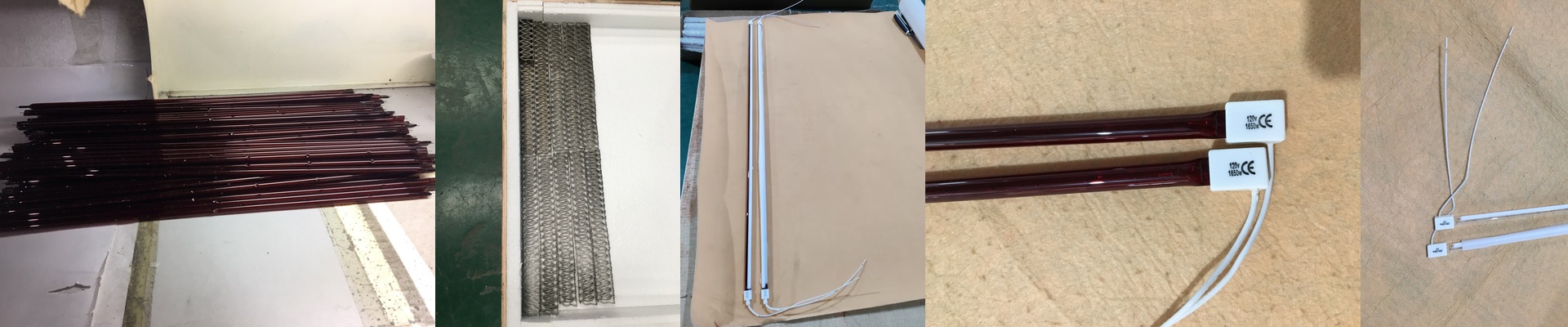
Here is the thing about voltage and wattage: they basically dictate how much fabric you can push through your line. If you go with high-wattage tubes, you can crank up the line speed. You’re hitting the fabric with more heat per square inch, so it spends less time in the oven. Sounds great, right? But there’s a catch. High heat density is tough on your quartz envelopes. If your power fluctuates even a little, you might burn out a filament way sooner than you should. That’s why we’re big on stable power supplies. It just keeps your lamp life predictable.
Choosing Your Gear
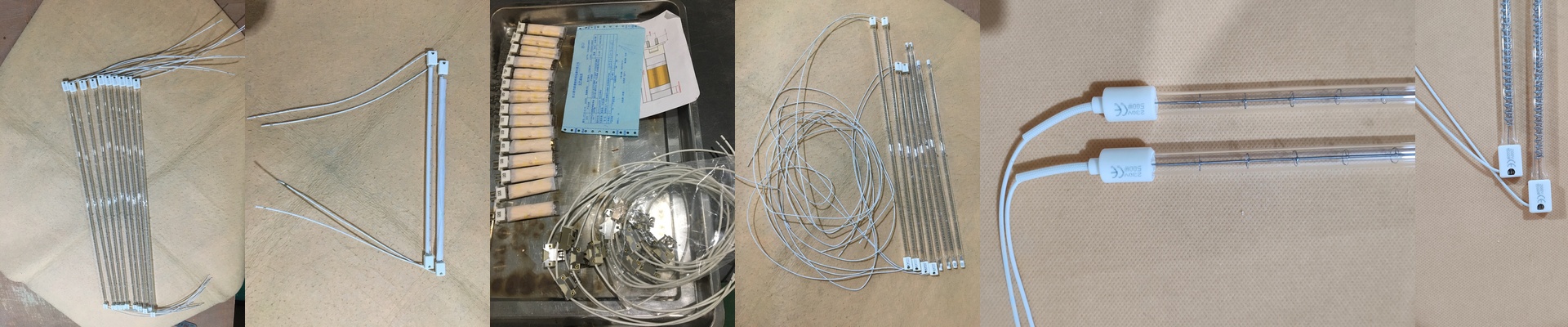
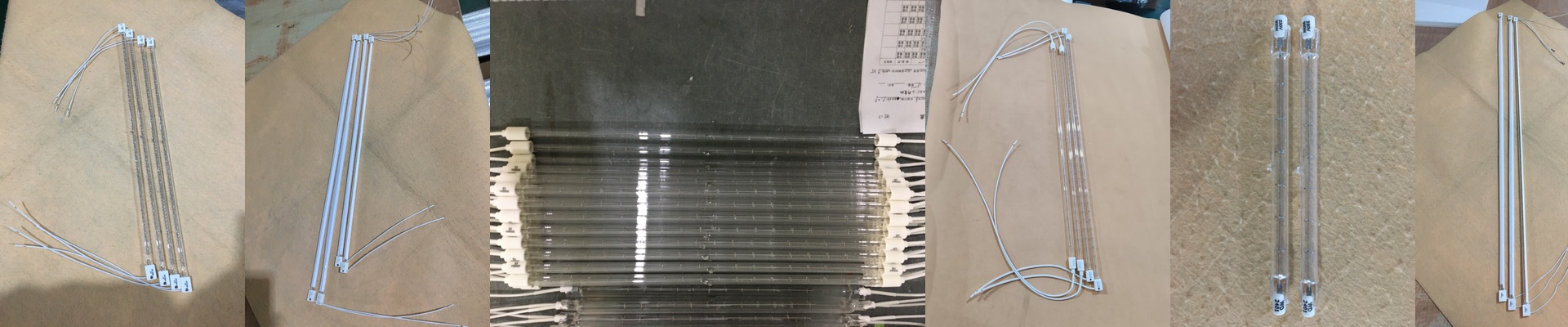
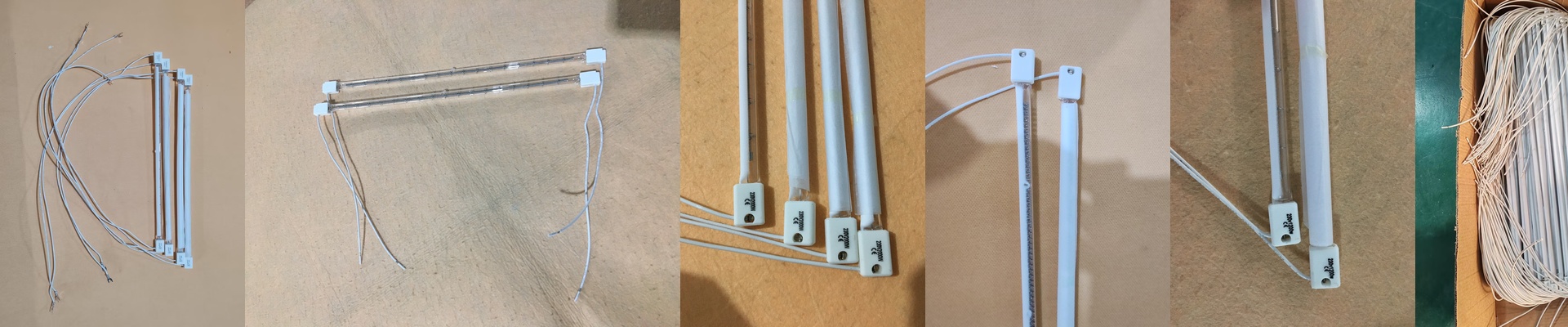
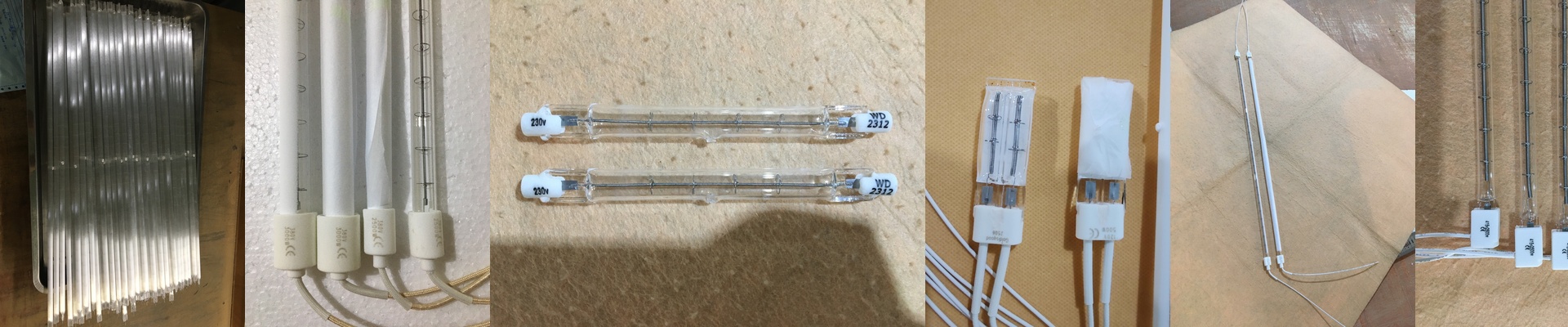
We stick with high-purity quartz for our lamps. It’s the only way to handle the shock of turning the heat on and off rapidly without everything cracking. Depending on what you’re running, you’ll want either shortwave or medium-wave emitters. Shortwave is your go-to for thick piles because it digs deep. Medium-wave is better if you just need to cure the surface. For the wiring, we use R7s or SK15 connectors. They’re the standard for a reason. When a tube finally gives out, you can just pop a new one in and get back to work. No one wants the shop floor sitting idle for an hour because of a weird plug.
Fitting it All Together
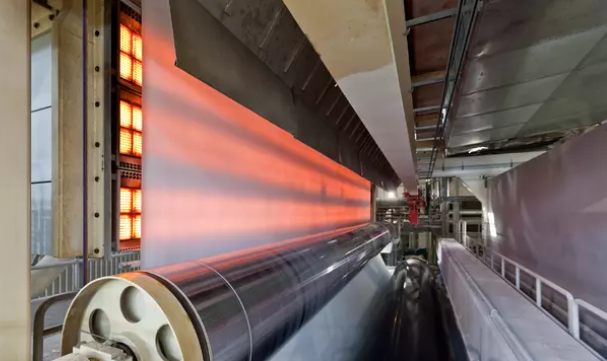
Fitting these lamps into a stenter or drying frame is always a bit of a squeeze. You have to be really careful about the distance between the emitter and the fabric. Get too close, and you’re scorching your material. A 2000W tube packs a massive punch, but you need an exhaust system that can actually keep up. If that oven housing gets too hot, you’ll deal with “heat soak.” That’s when the precision of your fabric set just disappears. Keep those cooling fans humming—your electrical components will thank you.